How much does sandblasting cost?
The key cost factors honestly explained – and how to get a fixed quote quickly.
Read the guideOld paint, dirt, weathering: sandblasting can renew a facade thoroughly – if substrate and process match. Here you can read honestly when it works and when it does not.
The process
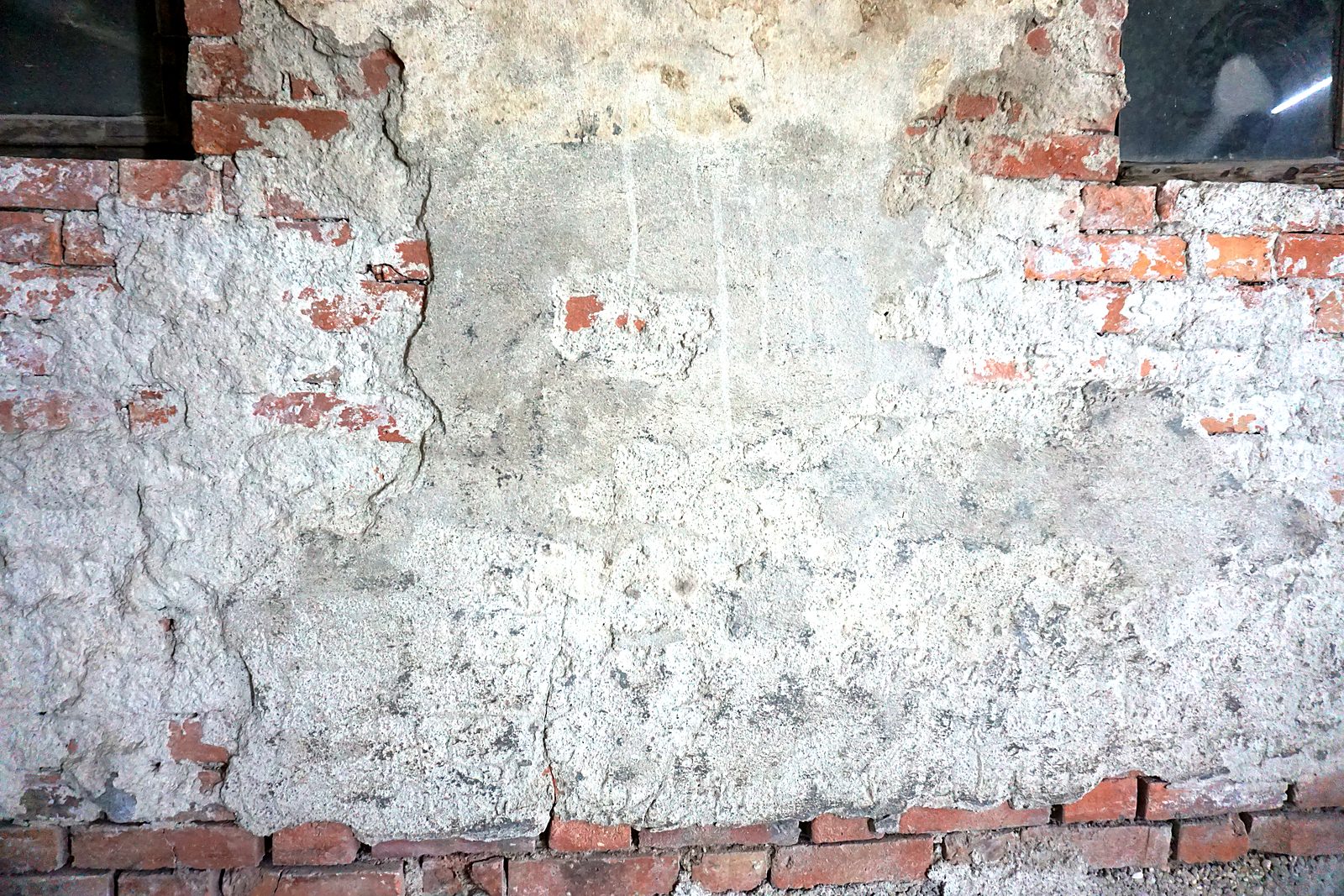
When a facade is blasted, the blast media removes old paint, crumbling render, dirt and efflorescence – evenly, down to a sound substrate. The result is a clean, slightly roughened surface on which new render or paint adheres far better than on one that has merely been washed or sanded.
Typical occasions: the facade is due to be repainted or re-rendered and the old coat is flaking; brick or natural stone is to be made visible again; or an extension is to be visually matched to the existing building. We match pressure, grit size and blast media to the material in question.
Know your materials
Render: Sound render can be freed of old paint very well. If the render itself is crumbling, blasting will take it off too – which is often exactly what is wanted when re-rendering is planned anyway. The point is to know that in advance and plan for it.
Clinker and brick: Fired bricks have a hard outer skin – the fired surface. It protects the brick from moisture and must not be broken over large areas. So for clinker brick the rule is: fine blast media, moderate pressure and always a test patch in an inconspicuous spot first.
Natural stone: Hard stone like granite tolerates more than soft stone like some sandstones. On delicate stone we blast with very fine grit and low pressure – or honestly recommend a gentler process if the fabric demands it.
Honest advice
Not every facade should be blasted. Externally insulated facades (ETICS) are off limits – the soft insulation layers under the thin top render cannot withstand the blasting pressure. And where joints are badly damaged, masonry is cracked or rising damp is present, the cause has to be fixed first, otherwise blasting misses the real problem.
Sometimes a milder process is simply the better choice: for plain dirt without old paint, hot-water or low-pressure cleaning is often enough. After the inspection we will tell you openly what your building really needs – even if that means a smaller job for us.
The workflow
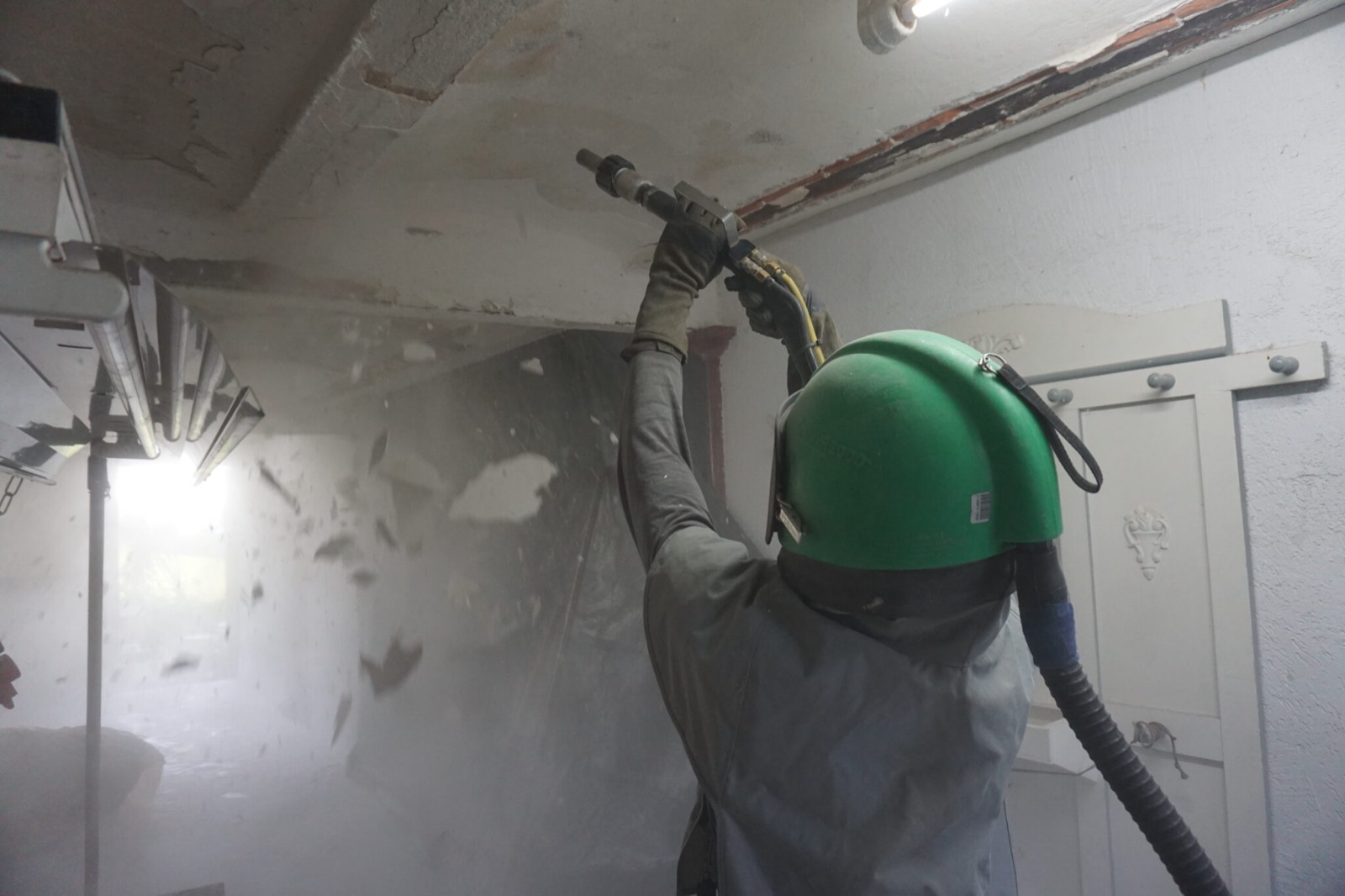
First we lay out a test patch – it shows bindingly what the result will look like and fixes pressure and grit size. Then windows, doors, junctions and adjacent surfaces are covered carefully.
Blasting proceeds in strips from top to bottom. We collect the removed material and spent media and dispose of them properly – for old, potentially contaminated coatings in line with the applicable regulations. After blasting, the masonry should be allowed to dry out, depending on the weather, before it is recoated or re-rendered.
Frequently asked questions
Keep reading
The key cost factors honestly explained – and how to get a fixed quote quickly.
Read the guideRemove spray paint from concrete, clinker brick and render – and protect surfaces preventively.
Read the guideOur facade service at a glance: processes, materials and workflow.
View serviceFree & no obligation
Send us photos of your facade – we will tell you honestly whether blasting is the right process, and quote a fixed price.